NYC Museums

Page Overview

A focused NYC museums guide for Museum Mile, modern-art anchors, and research stops.

Visual References

A compact visual set for anchoring Fifth Avenue museum movement and the two Met campuses

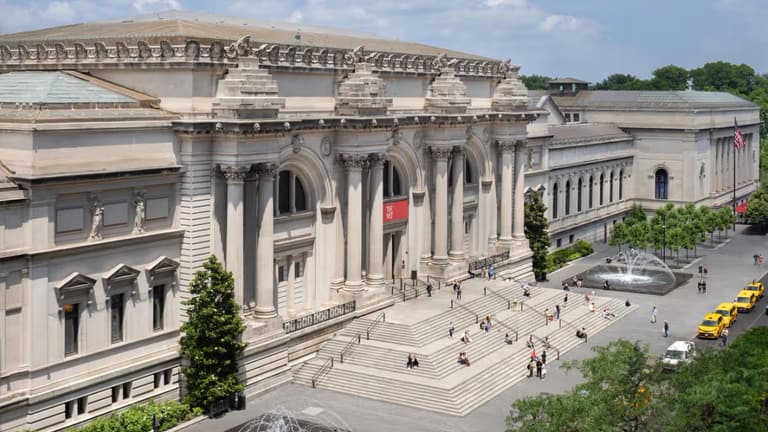
The Met Fifth Avenue exterior view

Met Fifth Avenue

The strongest visual anchor for the Museum Mile side of this page.

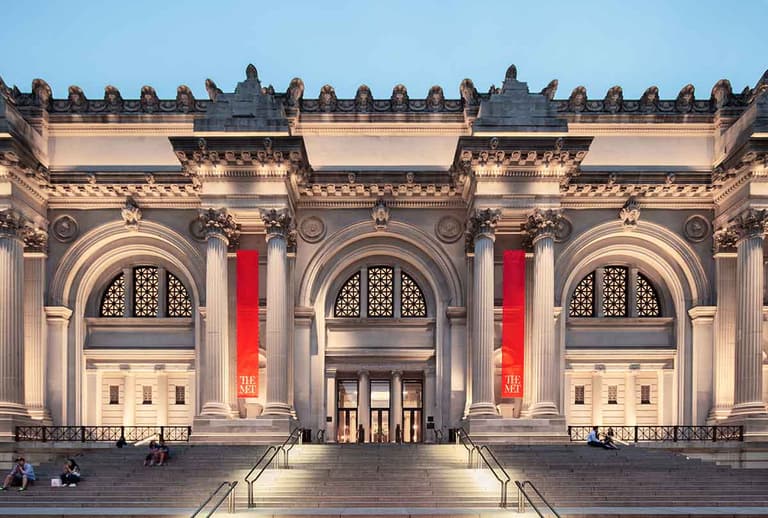
The Met Fifth Avenue alternate view

Fifth Avenue approach

Useful for reading museum access and how the museum fronts Central Park.

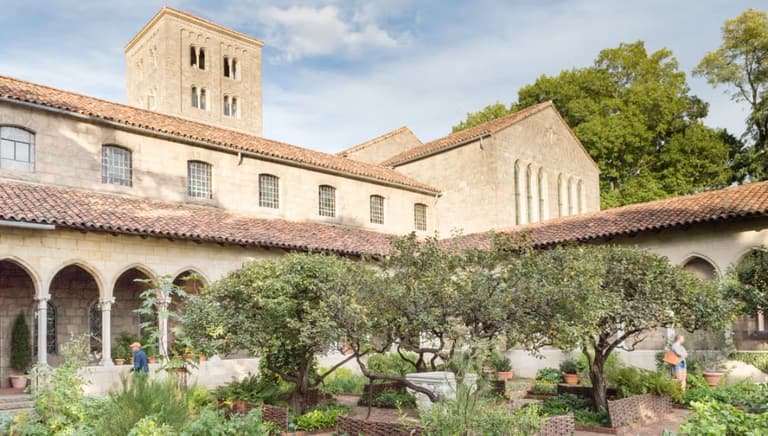
Met Cloisters exterior view

Met Cloisters

A separate northern museum atmosphere that matters if the day expands beyond the central corridor.

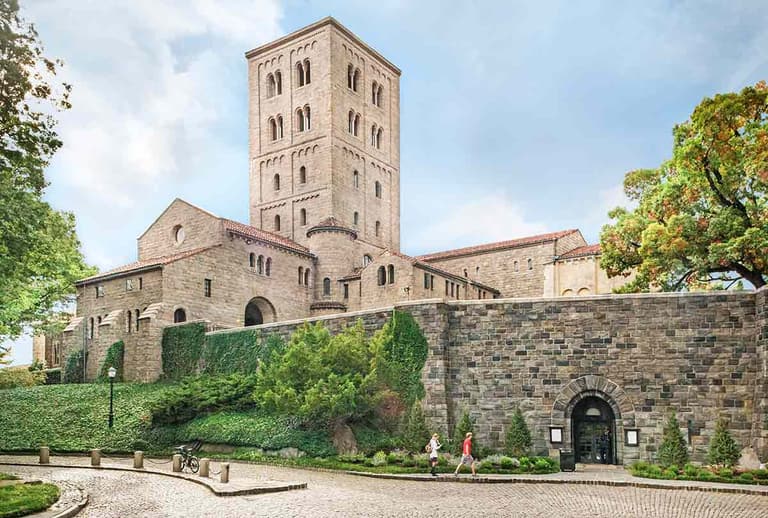
Met Cloisters alternate view

Cloisters alternate

A useful reminder that the museum network here is not just Midtown and Upper East Side interiors.

Museum Corridor

The tightest museum route runs along Fifth Avenue and the Upper East Side before you branch out to Midtown or downtown

Route Logic

Fifth Avenue and Upper East Side sequence

For a dense museum day, treat the Fifth Avenue edge and Upper East Side as the core corridor. The 4, 5, and 6 are the most practical subway anchors, and Central Park maps help translate museum stops into actual walking distance.

Core Stops

Best first museum-mile anchors

The Met, Guggenheim, and Cooper Hewitt are the strongest grouped anchors for a coherent Upper East Side museum route before you split toward Midtown or downtown.

The Met

The Met is strongest here when treated as both a visit destination and a deep research system

Visit

Met Fifth Avenue and Cloisters planning

Start with the main museum site, then split planning between the Fifth Avenue flagship and the Met Cloisters depending on whether the goal is central Manhattan access or a separate northern destination.

Guggenheim

The Guggenheim matters here as both a Fifth Avenue anchor and one of the city’s clearest architecture-plus-collection experiences

Collections

Architecture and collection depth

The Guggenheim is one of the rare museum stops where the architecture is inseparable from the viewing sequence, so the collection and architecture resources work best together.

Cooper Hewitt

Cooper Hewitt is the corridor’s best design-specific museum stop and the cleanest Upper East Side counterpart to broader art institutions

Design Museum

Visit and design focus

Cooper Hewitt is most useful when the museum day needs a design-history lens instead of a purely fine-art route.

MoMA

Use MoMA for modern-art anchors and artist-specific reference points once the route bends back toward Midtown

MoMA

Visit planning and museum guide

MoMA is most useful here as a Midtown museum stop with a strong official visit guide and a clean path into the building before you get into artist-specific collection browsing.

Artists

Frida Kahlo and Andy Warhol

These artist pages are useful as anchor examples for how MoMA structures artist records and object access around major modern-art figures.

Whitney

The Whitney is the best downtown / west-side museum counterweight to the Fifth Avenue and Midtown institutions on this page

Schwarzman Building

The New York Public Library’s Schwarzman Building belongs on this page because it combines architecture, exhibition, and research access in one stop

Research

Reading-room and division context

The Schwarzman Building is also a research building, not just a landmark shell, so the divisional structure matters if the stop is tied to actual study.

Morgan Library

The Morgan works best here as a library-museum hybrid that pairs collection depth with a smaller, more concentrated visit than the bigger museums

Library-Museum

Visit and exhibitions

The Morgan is a strong Midtown East cultural stop when the goal is manuscripts, drawings, decorative arts, and library space rather than only large-scale museum circulation.

Logistics

Directions and guided access

The Morgan is easier to fit into a wider museum day if you confirm access and directions up front, especially when pairing it with Grand Central or the Schwarzman Building.